iEPB at “Data-ready for 2027”: advancing integrated building performance assessments

Events | 2026.09.15

iEPB and many other EU-funded initiatives showcase practical tools to support Member States on the road to 2027

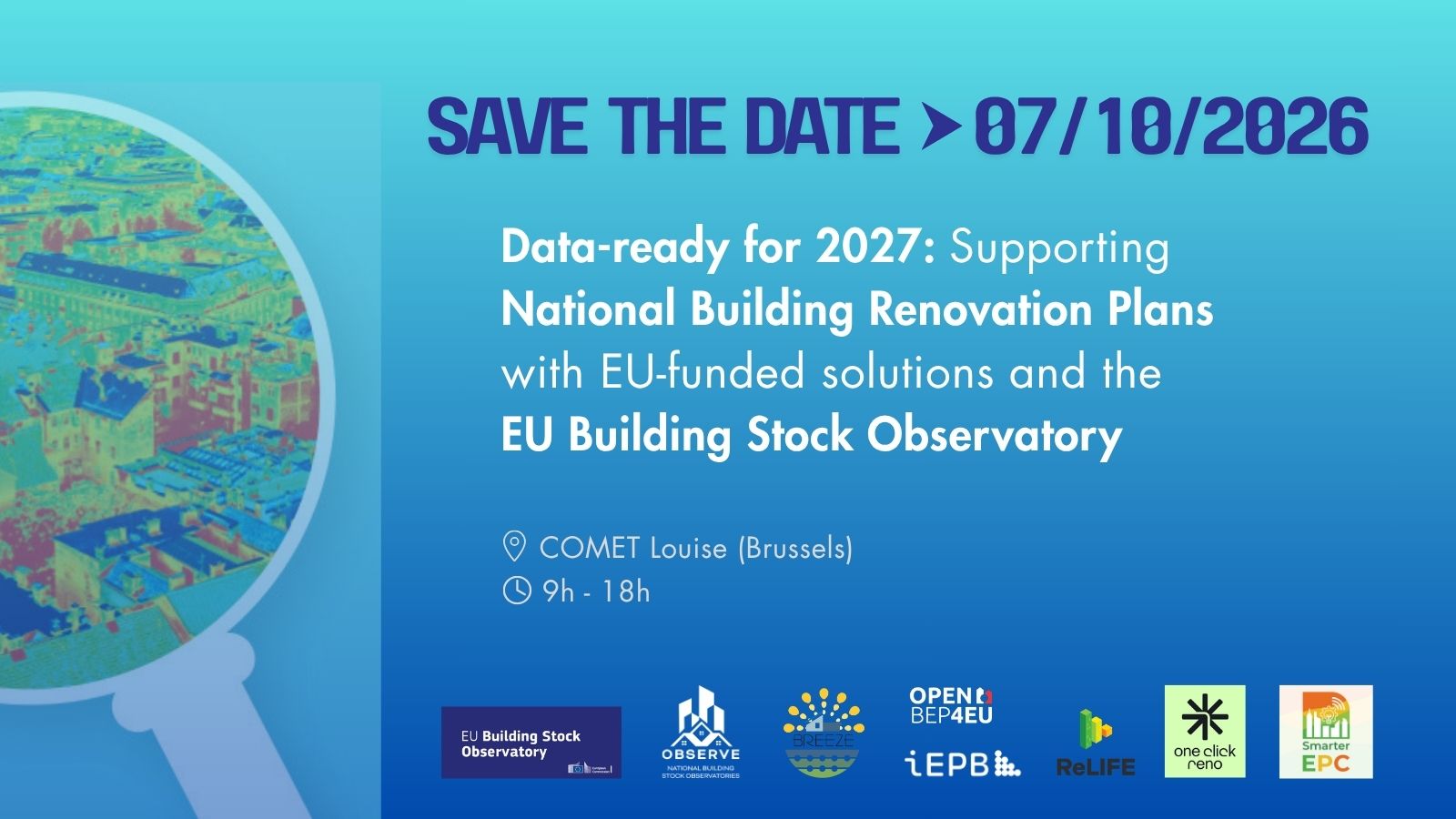
iEPB will participate in “Data-ready for 2027: Supporting National Building Renovation Plans with EU-funded solutions and the EU Building Stock Observatory” on 7 October 2026, at COMET Louise, Brussels.

Organised by the EU Building Stock Observatory and the OBSERVE project, this in-person event brings together core EU-funded initiatives to help Member States, national agencies, and regional and local authorities move from EPBD obligations to practical delivery – ahead of the first mandatory data reporting steps in 2027.

Within this context, iEPB will present its approach to integrated and interoperable building performance assessments, showing how a common data model can connect different assessment instruments and improve the exchange and reuse of building information. The project will also showcase the digital tools it has developed to streamline assessment processes and give a more complete picture of a building’s energy performance and renovation potential.

The programme will focus on multiple main areas:

EPBD implementation status post-transposition, especially National Building Renovation Plans (NBRPs), new EU initiatives, and emerging priorities for Member States – linking DG ENER/CINEA, Member States, and the Concerted Action EPBD.

Reliable, interoperable data for EPBD implementation – including the evidence needed by public authorities and market actors (including financial institutions) – with focus on connecting national data infrastructures with the EU BSO.

The EU BSO’s evolving role under the EPBD, including its next-phase support mechanisms (community-building, helpdesk) and links to the emerging EPBD implementation cluster.

Practical tools from BREEZE, EU BSO, iEPB, OBSERVE, OneClickRENO, openBEP4EU, ReLIFE and SmarterEPC, moving toward a shared implementation toolbox under the emerging EPBD Implementation Cluster – focused on practical uptake, identifying gaps, and ensuring results remain accessible beyond individual projects.

The event offers a timely opportunity to align on data quality and readiness, and to discover how iEPB is contributing to a more interoperable, digital and effective approach to building renovation across Europe.

Registration is available here.

📅 7 October 2026 | 📍 COMET Louise, Brussels

Featured image by Francois Genon- Unsplash

New iEPB infopack explores the future of integrated building performance assessments

Short news | 2026.07.09

A concise guide to the evolving EPBD framework, interoperability challenges and the digital solutions enabling more connected Energy Performance of Buildings assessments.

iEPB has published a new info-pack, iEPB Integrated EPB Assessments – Technical and Regulatory Framework Overview, providing an accessible overview of the regulatory, technical and digital developments shaping the future of Energy Performance of Buildings (EPB) assessments in Europe.

The publication examines how the revised Energy Performance of Buildings Directive (EPBD) is driving the transition towards more digital and interoperable building assessments, while exploring the different ways in which member states implement the framework. It highlights that the main barrier to cross-border comparability is no longer the calculation methodologies themselves, but the fragmentation of data structures and digital exchange formats. The info-pack explains how these challenges can be addressed through the iEPB approach, presenting the project’s common data model, digital tools and policy recommendations as key building blocks for a more connected and future-ready European building assessment ecosystem.

Overall, the publication provides a concise overview of the European regulatory framework for EPB assessments, explains the interoperability challenges affecting national systems, and showcases the iEPB solutions that support more digital, harmonised and interoperable building performance assessments across Europe.

The full infopack is available here and on Zenodo.

Featured image by Deng Xiang-Unsplash


Driving smarter building renovations at EU Sustainable Energy Week 2026

Press release | 2026.06.17

At EUSEW 2026, iEPB presented its approach to reducing duplication, improving interoperability and turning building performance data into actionable renovation strategies.

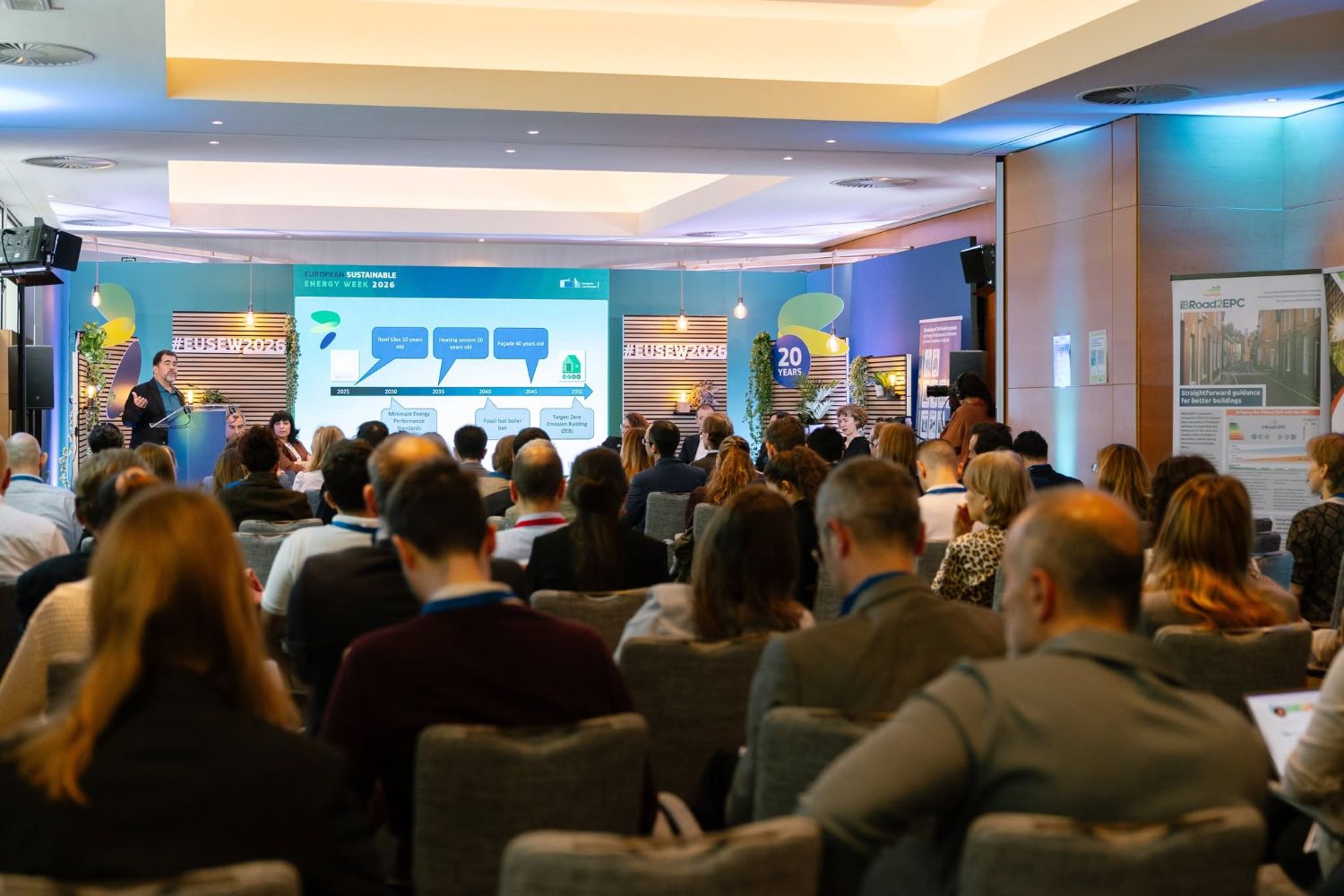
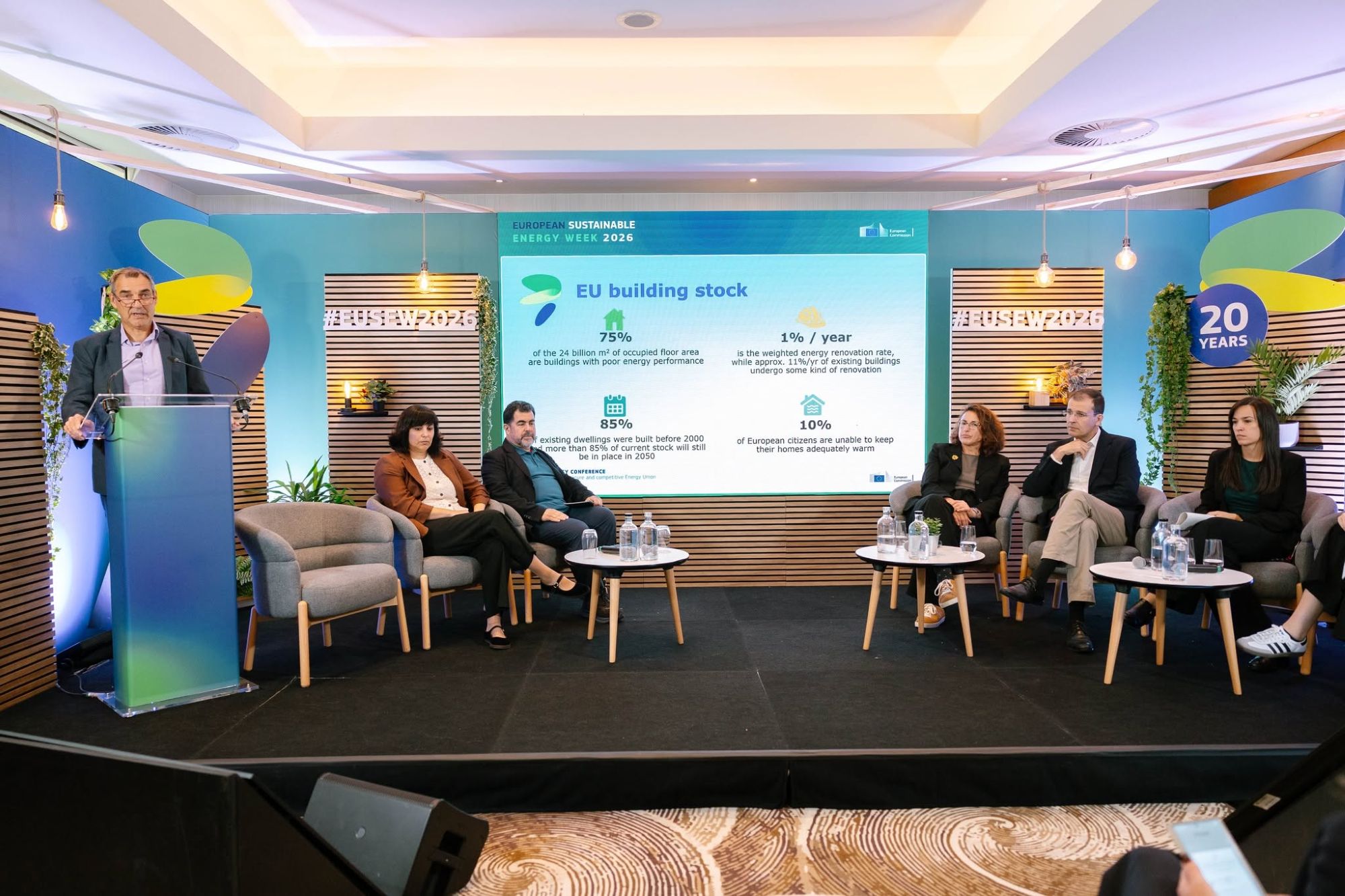
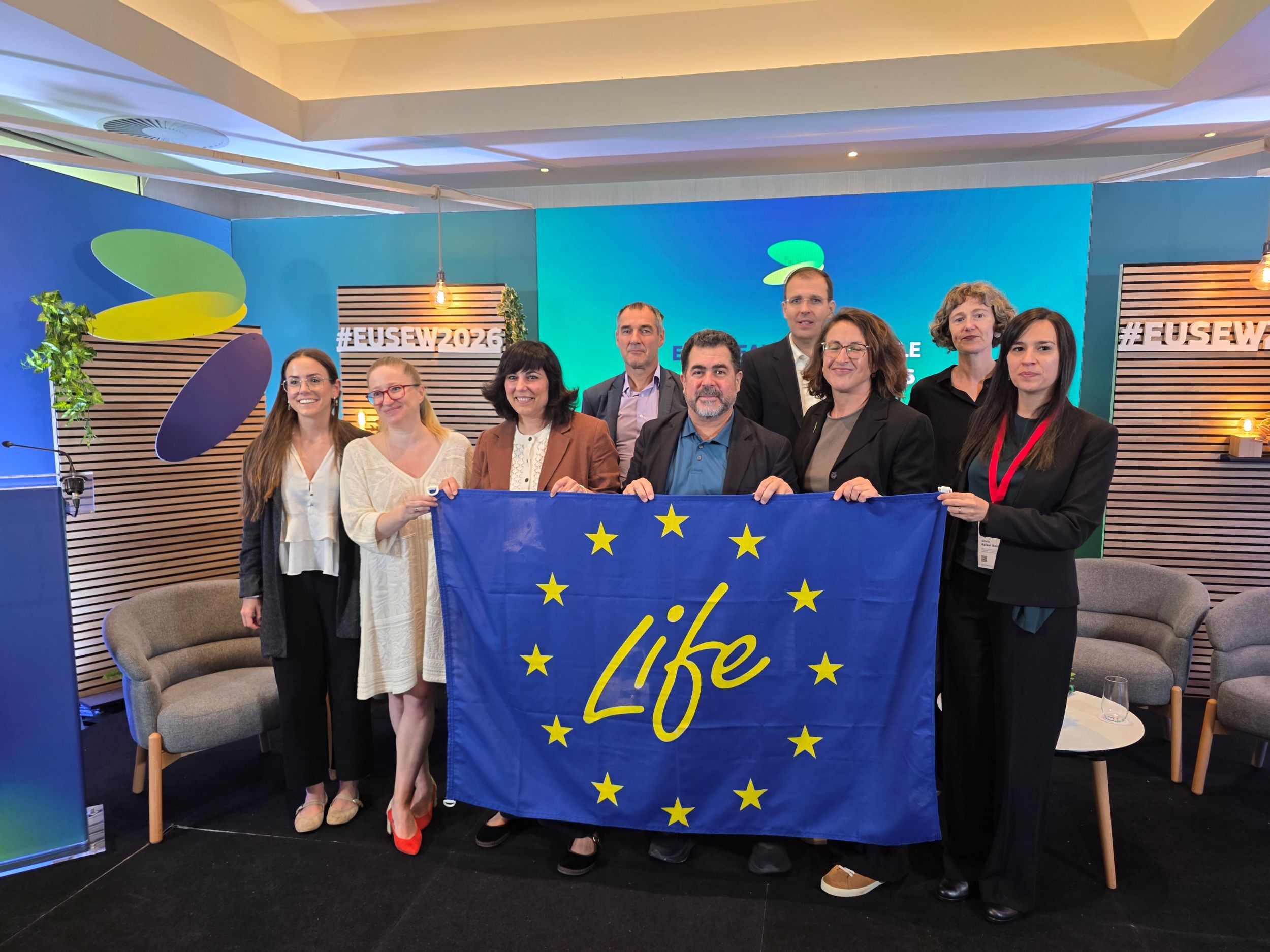
On 11 June, iEPB participated in the Policy Conference of the EUSEW-European Sustainable Energy Week 2026, in the session “Boosting the potential of building renovations through renovation passports, EPCs and the SRI”.

The session was organised by IVE and UIPI, together with EPB Center and R2M Solution, in collaboration with DG ENER, ADENE, the Spanish Ministry of Housing and Urban Agenda, and several European projects working on the implementation of the recast Energy Performance of Buildings Directive (EPBD).

The debate brought together representatives from the European Commission, national authorities from Portugal and Spain, and EU projects addressing Energy Performance Certificates (EPCs), renovation passports and the Smart Readiness Indicator (SRI). The aim was to discuss how these instruments can move from the regulatory framework towards practical, coordinated and scalable implementation.

The opening intervention from the European Commission’s Directorate-General for Energy framed the discussion within the broader implementation of the recast EPBD and the need to accelerate the renovation of Europe’s building stock. The Commission highlighted the importance of strengthening existing instruments such as EPCs while further developing renovation passports and the SRI. A key message was that these tools should create synergies, avoid duplication and support Member States, professionals and building owners in moving from assessment to action.

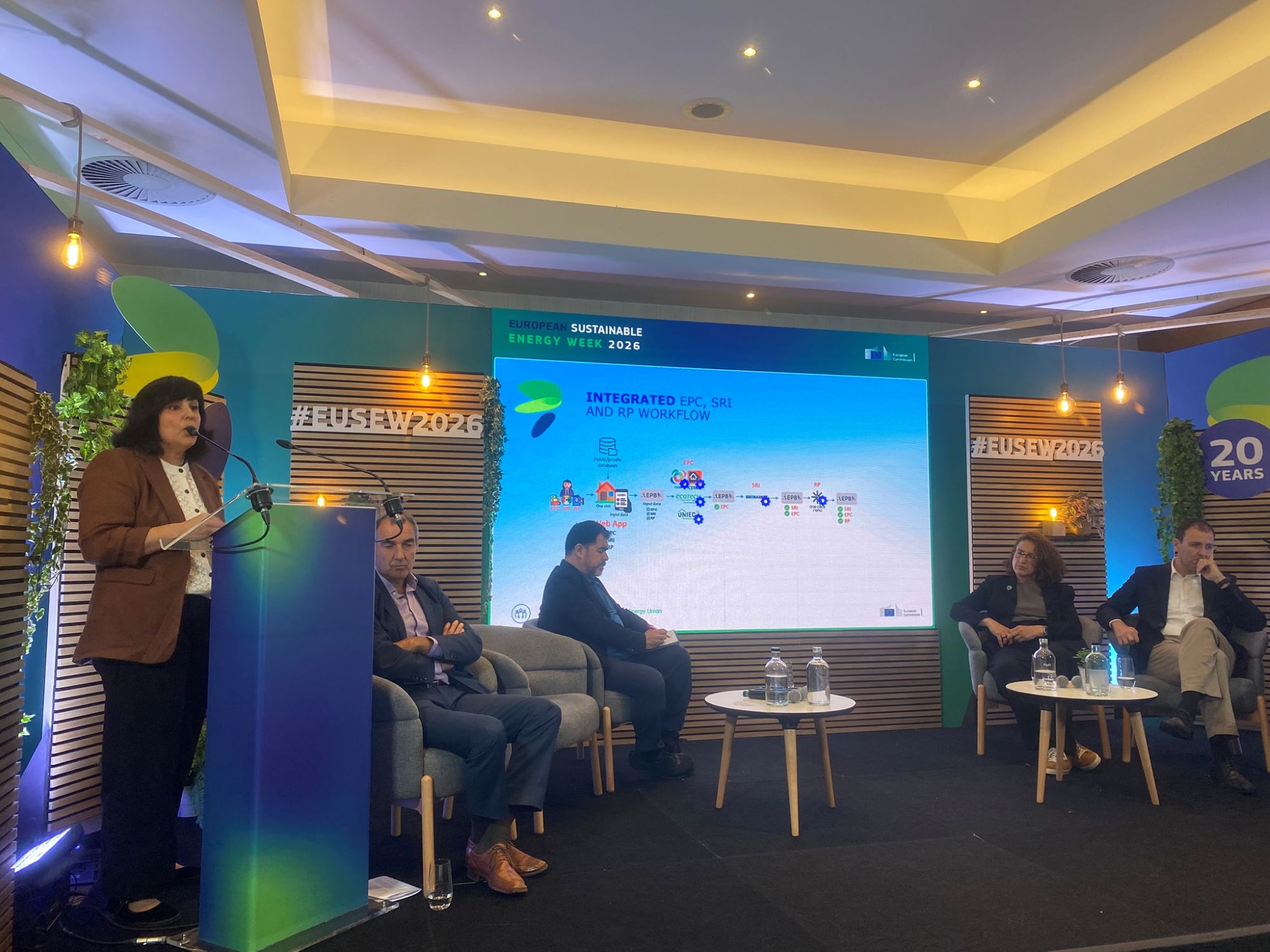
Within this context, iEPB contributed to the discussion on integrated building performance assessment workflows. The project addressed one of the main challenges identified during the session: the fragmentation of building performance assessments. EPCs, renovation passports and the SRI often require similar building information, yet they are frequently managed through separate procedures, tools and data structures. This can result in repeated data collection, inconsistencies between assessments, additional costs and lower trust in the market.

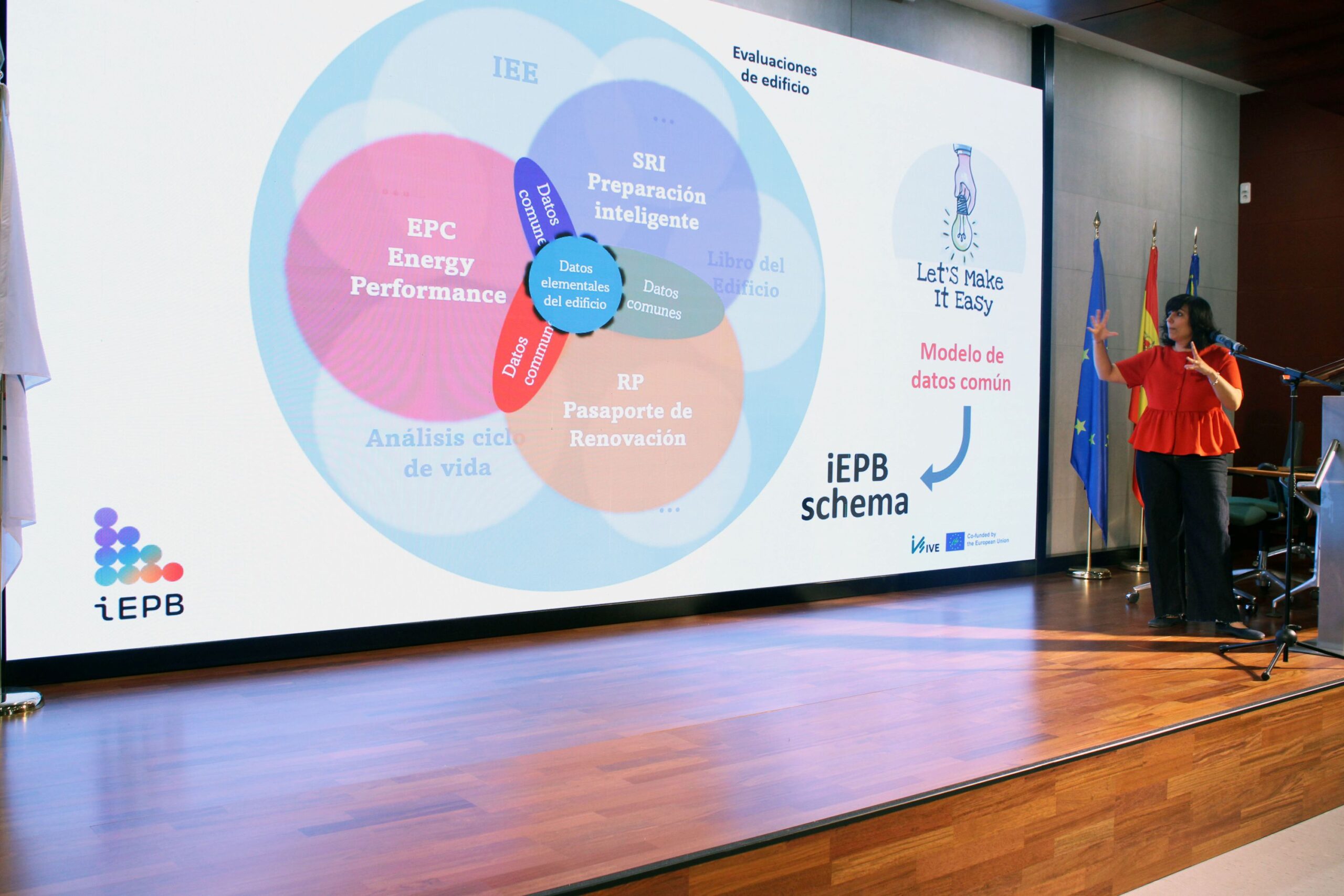
To address this challenge, iEPB is developing a common data model for integrated EPB assessments, initially focused on EPCs, renovation passports and the SRI, while remaining scalable to other assessments such as life cycle assessment. The approach is based on a simple principle: collect building information once and reuse it across multiple assessment tools. This reduces the burden on professionals, improves interoperability and increases the value of assessments for end users.

Rather than replacing existing official methodologies, the project is developing an iEPB schema that can be implemented within existing tools. In practice, an assessor could collect the necessary information during a single site visit, complement it with data from public or private databases where available, and generate an iEPB file. This file can then be used across different tools to perform EPC, SRI and renovation passport assessments, progressively integrating their results into a shared interoperable structure.

The iEPB web app supports the full assessment workflow, including data collection, management and results visualisation within a single environment. It facilitates the exchange and reuse of information between different assessment tools and integrates their outputs, helping users gain a more complete picture of a building’s performance and renovation potential while avoiding fragmented information.

The session also showcased complementary approaches from other EU projects, such as OneClickRENO, iBRoad2EPC, SmarterEPC and openBEP4EU. Besides, national perspectives from Portugal and Spain provided practical examples of how renovation passports may be implemented. Portugal approach is to integrate the renovation passport into the existing EPC scheme, transforming current EPC recommendations into a tool that supports renovation planning, financing and monitoring of renovation objectives. Spain presented its ongoing EPBD transposition process and efforts to coordinate EPCs, renovation passports and the SRI while linking them with existing instruments such as the Building Evaluation Report and broader renovation planning tools.

Several key conclusions emerged from the session. EU countries are moving from policy design to the practical implementation of renovation passports. EPCs, renovation passports and the SRI should be developed as connected processes based on shared building data, reducing duplication and fragmented outputs. Their success will ultimately depend on their ability to drive real renovation action by linking technical recommendations with financing, professional advice and public support schemes.

For iEPB, the session reinforced the importance of integrated, interoperable and user-oriented building performance assessments. By enabling data reuse across EPCs, renovation passports and the SRI, iEPB helps reduce administrative burden, improve consistency and strengthen the role of building performance information in accelerating Europe’s renovation wave.

To know more, listen to the full recording of the session here.

Featured image by Francois Genon-Unsplash

Lost in translation: harmonising Europe’s energy efficiency Babel of data

Articles | 2026.06.17

Across Europe, fragmented data and mismatched systems undermine building renovation efforts. A shared data model and a web application aim to align energy certificates and drive coordinated action. But experts warn: “Scaling is key to tackling energy poverty, but coordination and digital infrastructure must keep pace”

Windows? Better with double glazing and top energy ratings — but pay attention to the air gap and the type of glass. Heating and cooling? Reversible systems are often recommended, but which one should you choose? For insulation, is hemp better than glass wool? For many owners of small homes, renovation can feel like a nightmare: calling technicians, navigating conflicting advice, comparing certificates and getting lost in a maze of  kilowatt-hours, digital documents, energy labels, obscure acronyms and too much information that is often inconsistent.

Yet the challenge goes far beyond households. At European level, the path towards zero-emission buildings applying the EPBD (Energy Performance of Buildings Directive) is also highly complex. Different countries collect and store data in different ways, speak different regulatory languages and follow different policy models. From Finland to Greece, how can Europe deliver a renovation strategy that is coherent, effective and inclusive?

The urgency has grown sharper in an unpredictable geopolitical environment where energy supply has been threatened by major international crises, from Ukraine to Iran. When energy prices rise, the first to suffer are often the most vulnerable households, those whose purchasing power is already eroded by high bills because they live in inefficient homes they cannot afford to renovate.

Breaking the vicious circle of energy poverty

“My research, together with colleagues in projects such as EDRC, JUST, RENOVERTY, ASSERT and many others, shows that energy inefficiency disproportionately affects low income and socially marginalised groups, ”  says Stefan Bouzarovski, co-founded of the European Union Energy Poverty Observatory, and Professor of Geography at the University of Manchester. “However, challenges vary across Europe, and within countries, regions and cities. In Southern and Eastern Europe, energy poverty is often linked to poorly insulated multi apartment buildings and high cooling or heating needs relative to incomes, for example in Greece or Bulgaria. In north-west Europe, the issue disproportionately affects low income tenants, ethnic minorities, people with disabilities and older people living in low quality housing, such as privately rented homes in the UK or rural housing in France. Across all regions, single-parent households, pensioners and people with low incomes face some of the highest risks”.

According to the EU definition, energy poverty occurs when a household must reduce its energy consumption to a degree that negatively affects health and wellbeing. It remains difficult to measure precisely, but for Eurostat, it affected 9.2% of Europeans in 2024.

The same households struggling to heat their homes in winter often struggle to keep them cool in summer. Renovation and energy efficiency are the clearest long-term solutions. But costs remain a major obstacle for low income people, while labour shortages, inflation and bureaucratic hurdles slow progress for everyone.

Europe’s building data problem

At the centre of Europe’s renovation drive sits the EPC (Energy Performance Certificate), the document used to rate how energy-efficient a building is, typically grading homes and offices according to their consumption, emissions and insulation performance. It is often the first reference point for buyers, tenants, owners and policymakers.

But when it comes to EPCs, Europe can resemble a giant Babel: while all Member States operate under a common EU framework, each country applies its own methodologies and administrative systems. Data may be stored in public, private or mixed platforms. File formats vary, indicators differ and calculation methods are not aligned. This fragmentation complicates EU-wide governance and weakens trust among citizens and market actors.

A common language for all

The European project iEPB aims to create a unique and shared data model (schema) for the EPBD. The goal is to enhance the energy performance of the EU’s building stock by boosting synchronisation among existing EPCs and other instruments such as the Smart Readiness Indicator (SRI), the Building Renovation Passport and energy renovation recommendations.

Their aim is to reduce duplication between EPCs, the SRI, renovation recommendations and other tools that currently operate in silos. “The goal of the project is not to provide a common EPC since each country has its own governance and regulatory context. We have a more practical aim: make them speak the same language”, Eva Lucas Segarra, architect at Instituto Valenciano de la Edificación  and project coordinator, says.

At this stage of the project, their common data model is already available and has been implemented in several national EPB software tools across the pilot countries, in Austria and Spain, while work in the Netherlands is still ongoing.

A standalone SRI application has also been developed as a calculation engine, making it much easier for other software tools to integrate and run Smart Readiness Indicator assessments. In this wider Babel of data, iEPB is effectively providing both a calculator and a translator, helping organise information within a common framework.

Lucas Segarra explains: “An EPC tells you how the building performs, an SRI tells you how ready it is to operate in a smart way, and a Renovation Passport helps you plan improvements step by step – iEPB tries to make sure they are not speaking different languages”.

From data model to practical tool: an all-in-one web application

At the centre of the project is a web application designed to give users access to the best possible building information with minimal effort – where different assessments from different tools or countries can be brought together.

The platform is primarily intended for owners, technicians, administrators and potentially public authorities. The web app has been designed with different user profiles and permission levels in mind, depending on what each actor needs to see or do. For example, building owners can grant temporary access to other users, such as prospective buyers or renters, so that they can consult relevant building documents. The precise deployment model for wider future use is still being designed.

“The web application is presented as a neutral playground where different assessments from different tools or countries can be brought together, allowing access to information for different types of users while taking into account the constraints and necessities of each one, ” explains Miguel Ángel Pascual Buisán, CEO of Efinovatic, partner in the project. “This frees up time for users to focus on analysing the best solutions rather than gathering information”.

Technical and political challenges

Building such a system, however, is far from straightforward. The three pilot countries, Spain, Austria and the Netherlands, have helped expose the practical difficulties of making interoperability work in real life. “The main challenge in the project is technical – Lucas Segarra underlines – it is the complexity of turning this common data model into something real and practical in different contexts. As we implement it in the web app, carry out internal testing and prepare the pilot phase in the three countries, we are identifying issues that require further refinements and adjustments”.

Despite those obstacles, the web application is promising. For example, it could streamline assessments by allowing professionals to complete an SRI more easily while carrying out a mandatory EPC.

What policies are needed to scale

Beyond the technical side, project experts argue that Europe also needs a clearer policy framework if renovation is to scale up (and scaling is fundamental to contrast energy poverty).

“The policy direction we support is threefold: first, common and open data models that make coordination possible; second, implementation guidance that is practical not only conceptual; and third, digital infrastructures that allow trusted data exchange between assessment tools, national databases and, where appropriate, private sources”, Lucas Segarra states. “If we want renovation to scale up, assessments must become more coherent, more useful, less repetitive and easier to carry out”, she adds.

Scale is a key issue in the fight against energy poverty. Europe has already made progress through regulation such as the EPBD and through public funding, but major barriers remain.

Stefan Bouzarovski warns: “Fragmented policy implementation, inadequate recognition, unstable funding and uneven government capacity, slow down progress”. He is equally cautious about overestimating the role of artificial intelligence. “Without adequate frontline support and engaged delivery mechanisms, digital tools risk reinforcing existing inequalities rather than transforming the renovation wave”.

Article written by Gioia Salvatori

Featured image by Fer Troulik- Unsplash


Advancing sustainable building renovation through Integrated Data and Policy Frameworks

Short news | 2026.05.19

Highlights from IVE’s EUSEW 2026 Sustainable Energy Day on EPBD implementation, renovation planning and interoperable building data solutions

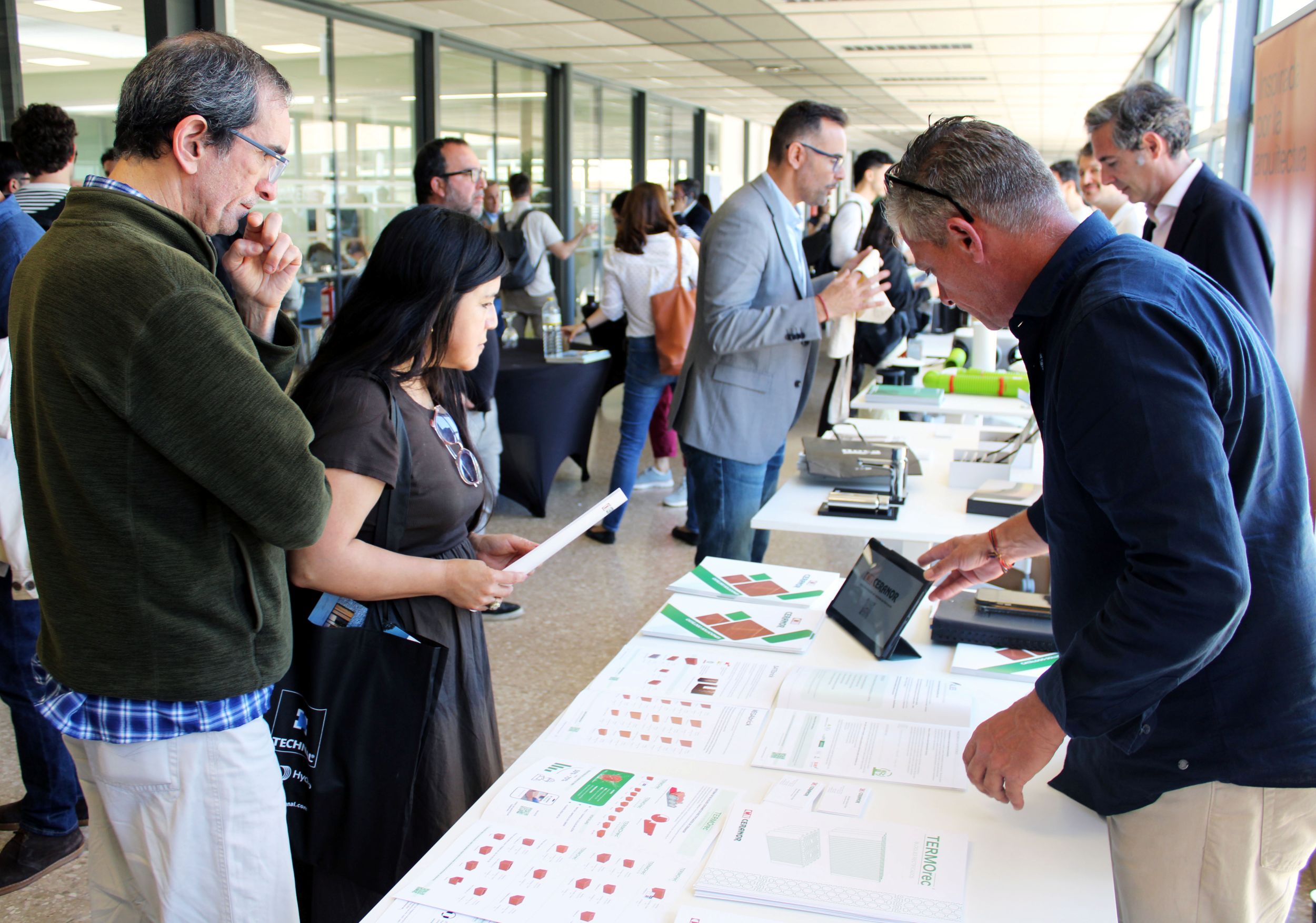
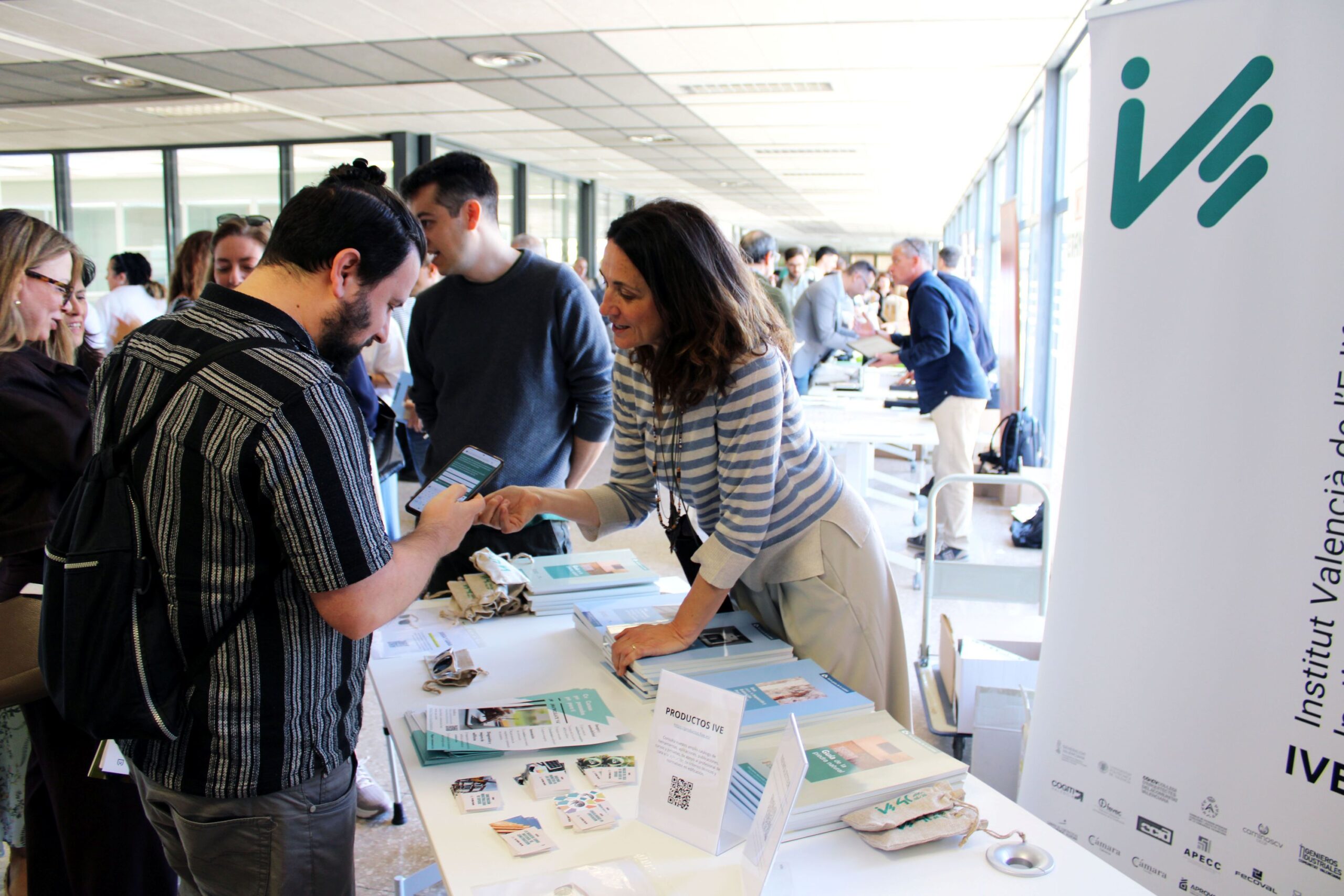
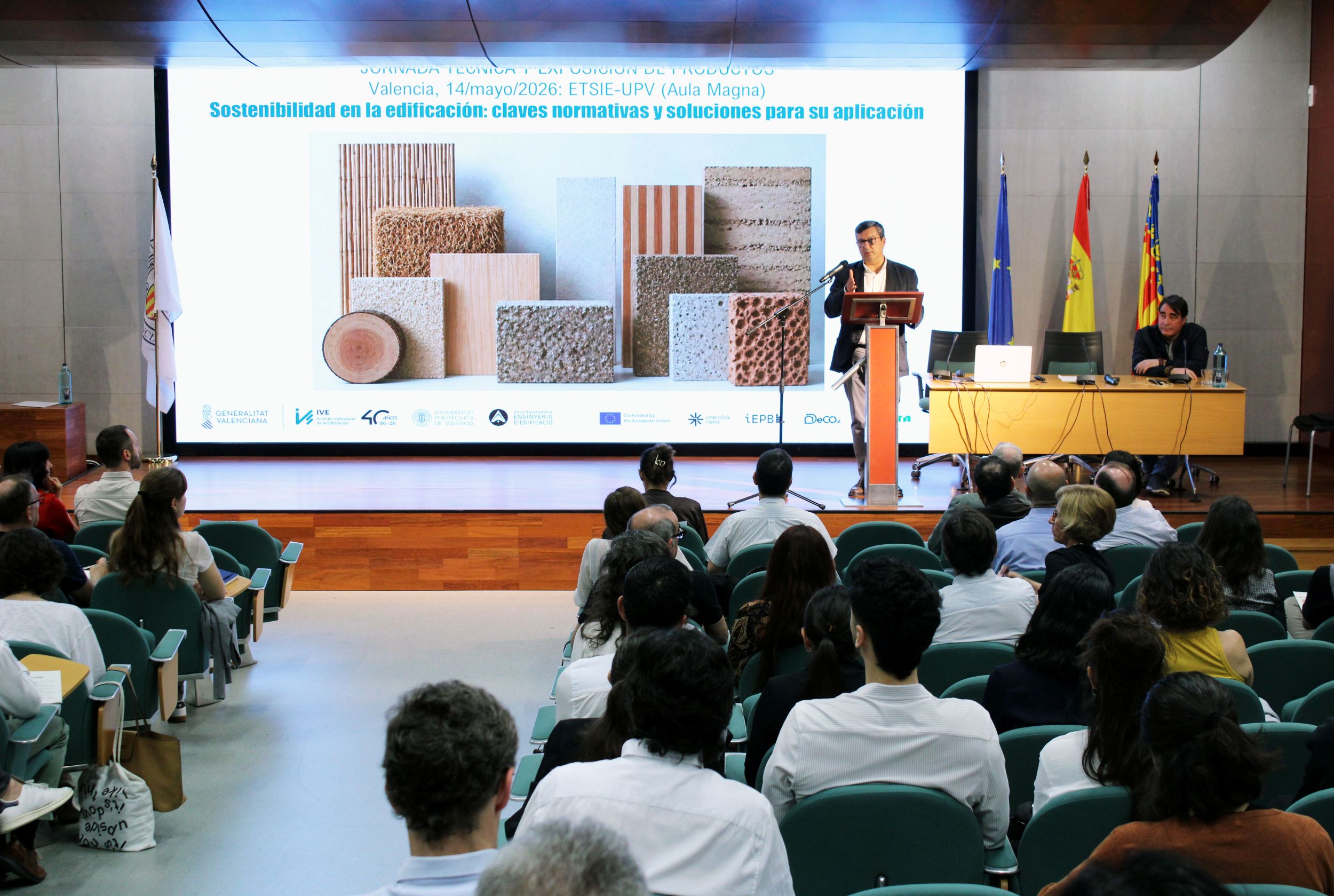
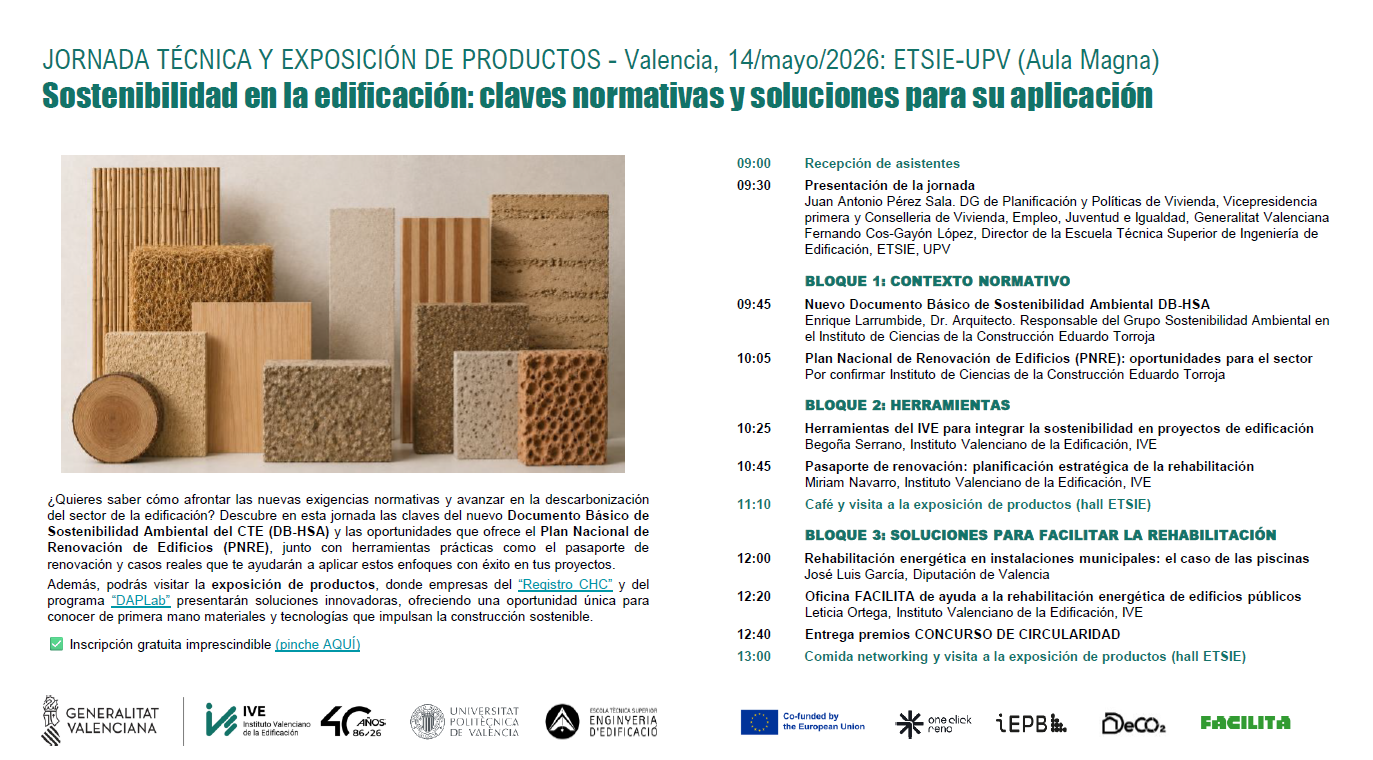
On 14 May 2026, IVE (Instituto Valenciano de la Edificacion) organised the national event “Sustainability in Building Construction: Regulatory Frameworks and Solutions for Implementation” in Valencia, officially recognised as a Sustainable Energy Day under the European Sustainable Energy Week 2026 initiative.

The event addressed the main challenges and opportunities linked to the evolving regulatory framework for buildings, with particular attention to the forthcoming updates to the Spanish Building Technical Code and the National Building Renovation Plan. It brought together professionals, public authorities, companies and students to exchange knowledge, showcase practical tools and solutions, and discuss pathways towards more sustainable, higher-quality and healthier buildings.

The iEPB project was presented in the context of renovation passports and strategic renovation planning, demonstrating how integrated Energy Performance of Buildings assessments can support the implementation of the EPBD. In particular, iEPB contributes to enhancing the use of structured building data and strengthening the links between EPCs, the Smart Readiness Indicator and renovation recommendations through a common data model.

The event highlighted the importance of equipping the sector with practical tools, transparent information and interoperable data structures to support better decision-making by professionals and building owners within the framework of the new EPBD and building renovation policies.

Featured image by Tom Podmore- Unsplash

iEPB to participate in EUSEW 2026 Sustainable Energy Day in Valencia

Events | 2026.05.13

Showcasing how interoperable building data can support EPBD implementation and smarter renovation planning

iEPB will participate in the Sustainable Energy Day organised by Instituto Valenciano de la Edificación (IVE) in Valencia, officially recognised as part of the European Sustainable Energy Week 2026 programme.

The event, titled “Sustainability in building construction: regulatory frameworks and solutions for implementation”, will take place on 14 May 2026, from 09:00 to 14:00 CEST at ETSIE-UPV, Aula Magna, Valencia.

Bringing together experts, practitioners and stakeholders from across the building sector, the conference will focus on sustainability in construction, the evolving European regulatory framework, and practical solutions supporting the implementation of energy transition and decarbonisation objectives in buildings.

Within this context, iEPB will contribute to the discussion on the implementation of the revised Energy Performance of Buildings Directive (EPBD), with particular attention to renovation planning, Energy Performance Certificates (EPCs), the Smart Readiness Indicator (SRI), and the role of structured building data in enabling more effective and integrated renovation processes.

One of the conference sessions will specifically present the iEPB approach in connection with renovation passports and strategic renovation planning. The presentation will highlight how integrated Energy Performance of Buildings assessments can support the implementation of the EPBD by improving the interoperability and use of building data, while connecting EPCs, SRI and renovation recommendations through a common data model.

We look forward to exchanging ideas, experiences and innovative solutions with all participants and contributing to the ongoing dialogue on smarter and more sustainable building renovation strategies.

Registration is available here.

iEPB to Join EPBD Implementation Days: Day 2 in Brussels

Events | 2026.04.29

urning EPB standards into practical tools for effective EPBD delivery across Europe

iEPB will participate in EPBD Implementation Days: Day 2 – Supporting EPBD implementation: practical solutions developed by EU-funded initiatives, taking place on 13 May 2026 at the Charlemagne Building of the European Commission in Brussels, with online participation available in a hybrid format (information and registration here).

Co-organised with DG ENER Unit B3 and other EU-funded projects the event will bring together EU institutions, Member State representatives, industry stakeholders and EU-funded projects to discuss practical pathways for implementing the revised Energy Performance of Buildings Directive (EPBD), as the May 2026 transposition deadline approaches.

iEPB will contribute to Session 3: “From standards and building performance frameworks to practical implementation: tools, methods and collaborative solutions”, organised in collaboration with openBEP4EU, SmarterEPC, OBSERVE, ReLIFE and BREEZE. The session will focus on how technical frameworks, interoperable data models, digital tools and project collaboration can support the effective roll-out of EPBD requirements across Europe.

The participation of iEPB reflects the project’s mission to strengthen the use and implementation of the EPB standards, helping turn European policy objectives into practical solutions for national authorities and market actors.

Featured image by Guillame Perigot-Unsplash

iEPB delivers its 4th newsletter issue

Newsletter | 2026.02.23

Delve into the news and updates of the last months of work of iEPB

Welcome back to the newsletter of iEPB!

As we enter the final year of the project, we are pleased to share the latest updates and milestones achieved in our work towards improving the energy performance of buildings across Europe.

Over the past months, the project has continued progressing towards its main objectives, supporting more consistent and efficient implementation of the Energy Performance of Buildings Directive and strengthening collaboration among stakeholders. A key upcoming milestone is the launch of the iEPB web application, which will soon be available on the iEPB website. The web app will support the management and sharing of building assessment data within a unified digital environment and will be introduced through a dedicated explanatory video.

Read the full newsletter here.

Featured image by George Kedenburg III-Unsplash

Call for IP experts: support the exploitation of iEPB project results

Short news | 2026.01.08

iEPB is seeking an experienced Intellectual Property Expert to help protect and maximise the impact of its key innovations supporting EPBD implementation across Europe

iEPB project has launched a call for expressions of interest to select an external Intellectual Property Expert to support the project’s sustainability, exploitation and long-term impact activities.

The selected expert will work closely with the iEPB consortium to identify, assess and protect the project’s five Key Exploitable Results. This includes carrying out IP audits and patent landscaping, advising on appropriate IP protection strategies, and providing practical recommendations for ownership, risk management and exploitation pathways.
This assignment plays a crucial role in ensuring that iEPB results can be effectively transferred, replicated and taken up by the market and policy stakeholders, contributing to a more coherent and harmonised implementation of the Energy Performance of Buildings Directive (EPBD) across Europe.

The call is open to multiple categories of experts with proven involvement in European R&I projects, and strong expertise in IP strategy and exploitation. Interested experts are invited to submit their expression of interest by compiling this form by January 20, following the instructions provided in the Terms of Reference.


iEPB joins #ZeroEnergyWasteEU social media campaign for energy efficiency across Europe

Short news | 2025.11.04

A joint social media initiative launched for the European Energy Efficiency Day 2025, highlighting innovative pathways towards a smarter and more efficient energy future

As part of the European Energy Efficiency Day 2025, taking place on 5 November 2025, ten EU-funded projects are joining forces to launch the #ZeroEnergyWasteEU social media campaign – an initiative raising awareness on how research and innovation can help eliminate energy waste and improve efficiency across all sectors.

The campaign encourages citizens, industries, and institutions to act together towards one shared goal: zero energy waste in Europe.

A common message for a smarter use of energy

Through the #ZeroEnergyWasteEU campaign, launched by ICONS – as the dissemination and communication leader of the involved projects – and shared across multiple platforms, 10 EU-funded initiatives tackling different facets of the energy transition will be showcased.
The projects operate on various fields, from positive-energy buildings and industrial flexibility to waste-heat recovery, smart grids and AI-based optimisation.

They will demonstrate that every watt saved counts, and that innovation and digitalisation are key to driving a more efficient and resilient energy future.

AIR4NRG – Applies data-driven and AI-based models to enable predictive maintenance and performance optimisation of renewable energy assets, increasing reliability and lifespan.
ATENA+ – Delivers intelligent energy management solutions powered by AI and edge computing to optimise consumption, reduce losses, and enable real-time decision making.
Drive2X – Aims to accelerate the uptake of vehicle electrification through new bi-directional smart charging technologies and widespread awareness of Vehicle-to-Everything (V2X), fostering their roll-out in European smart cities.
eLITHE – Advances high-efficiency thermal energy systems by developing innovative technologies for heat recovery, storage, and reuse in buildings and industrial processes.
FLEXIndustries – Promotes energy efficiency and flexibility in energy-intensive industries by developing AI-driven tools and digital twins to optimise processes and energy use in real industrial sites.
GINNGER – Contributes to the ecological transition by empowering citizens to co-design the future of their neighbourhoods. Through its digital co-creation toolkit, GINNGER supports the shift from isolated energy efficiency actions to integrated, circular, and net-zero urban regeneration strategies.
iEPB – Creates a unified digital framework for building energy performance, aligning data, standards and tools to improve certification quality and support professionals in renovation planning.
Mopo – With the aim of providing a user-friendly, open-source, and validated set of tools, the project combines component tools producing input data for creating model-ready datasets, managing scenarios and workflows, and supporting energy system planning.
REN+HOMES – Develops positive-energy buildings and neighbourhoods by integrating renewable energy systems, flexibility services, and user engagement, and demonstrates scalable solutions across four European countries.
SSTAR – Develops advanced solid-state thermal storage systems that minimise energy losses and improve overall efficiency in renewable and industrial applications

iEPB contribution

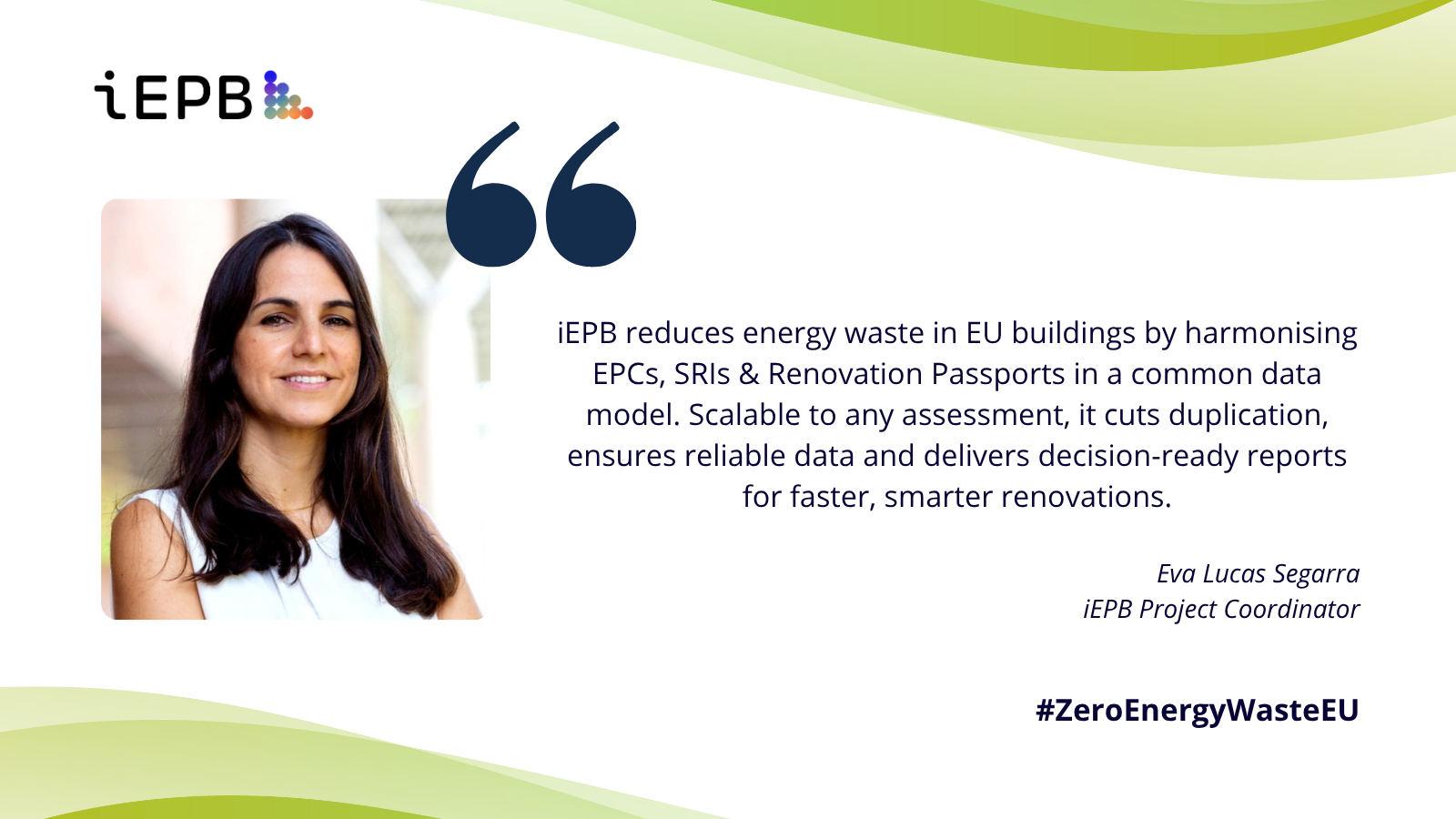
iEPB has contributed to the social media campaign through the project coordinator, Eva Lucas Segarra (IVE):

A collective step towards zero energy waste

In the days leading up to the European Energy Efficiency Day, the campaign welcomes all projects, organisations and companies willing to take part in this collective movement.
Join the conversation: use #ZeroEnergyWasteEU and be part of Europe’s journey towards a future with zero energy waste.

Featured image by Nancy Bourque- Pexels